Sintered parts for your mass production, from design to delivery
During pressing, the metal powder already takes on the shape of the final component to a large extent. The subsequent sintering process solidifies the material. This allows for the mass production of many contours that would otherwise have to be created through milling or turning. Richter Formteile uses your drawings to determine which geometries can be manufactured directly and where post-processing is necessary. We advise you on material selection, coordinate tooling and prototyping with our production partner, and organize series production according to your needs.
What is sintering?
Sintering is a heat treatment in which powder particles bond together to form a solid material. In the conventional pressing and sintering process described here, metal powder is first compacted in a die. This produces a green compact: a pressed, unsintered shape. In the sintering furnace, its powder particles bond metallurgically, allowing the component to develop the properties required for its application. The temperature remains below the melting point of the primary metallic component. Depending on the material, individual components may become liquid and aid the process. MIM also involves a sintering step; however, shaping in this process is achieved by injection molding a mixture of metal powder and a binder.
On this page
When is sintering the right choice for your component?
Richter Formteile assesses suitability based on your drawing and the intended function of the component. In doing so, we consider the entire manufacturing process through to the desired delivery condition: A basic shape that is easy to press alone is not sufficient if complex follow-up work negates that advantage. In our technical and economic evaluation, we therefore take five factors into account.
Geometry
Based on your drawing, we will work with our production partner to determine whether the shape is suitable for the pressing direction and can be removed from the mold. Features that require additional machining will be incorporated into the production plan.
Material
Strength, wear resistance, and corrosion resistance must be suitable for the operating conditions. In addition to the alloy, density and heat treatment also influence these properties.
Function
Is the part intended to transmit forces, serve as a sliding surface, or provide a seal? This results in different requirements for the material and pore structure.
Condition upon delivery
Your functional dimensions determine where the sintered state is sufficient and where calibration, machining, or further processing is required. We will coordinate the scope of work with you before you place your order.
Production requirements
Tooling and startup involve a one-time expense. We consider this expense along with annual demand, manufacturing costs, and potential follow-up operations.
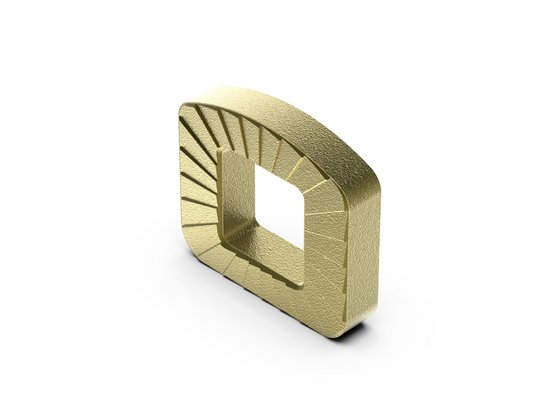
Can your component be manufactured using sintering?
Please send us your drawing and any requirements you already know. Together, we'll determine whether pressing and sintering are suitable for your component and what information is needed for further evaluation.
Compare Sintering with Other Processes
How are sintered parts made?
Richter Formteile works with you to tailor your sintered part from the drawing stage through to the required delivery condition. We clarify the material, functional dimensions, and testing requirements, and select a suitable production partner. Based on this, we coordinate tooling, prototyping, and manufacturing. In this process, the powder mixture, press tool, and furnace process must all be tailored to the specific component specifications.

1. Mix the raw material of the sintered parts
First, the desired powders or granules for the sintering process are selected and mixed in the appropriate ratio. The additional supply of a lubricant additive is also possible here.

2. Shaping
The so-called green body is formed by molding or pressing the mixed raw material into the die at high pressure. This already corresponds to the shape of the desired sintered product.

3. Compression
Now the actual sintering follows. The high-temperature treatment of the green body causes the powder granules to enlarge and fuse. The open porosity of the sintered parts is significantly reduced. Only now do the desired properties of the component, such as strength, hardness or conductivity, arise.

4. Cooling & finishing
In the penultimate step of the sintering process, after cooling, the post-processing takes place. If necessary, mechanical post-processing and surface treatment are carried out here.

5. Final inspection
After the sintering process is complete, all components are subjected to a comprehensive visual inspection. The entire scope of all criteria and measures of quality control in the sintering technology is coordinated according to the functions and customer requirements.
What temperatures are required for sintering?
The sintering temperature depends on the material and the desired component properties. In conventional pressing and sintering, iron-based materials are often sintered at approximately 1,120 to 1,150 °C. Other materials may require different temperatures. The holding time, furnace atmosphere, and cooling process also influence the result.
Whether sintering is suitable for your component is therefore not determined by temperature alone. The decisive factors are the geometry, the required material properties, the tolerances, and the desired delivery condition.
Pressing and Sintering in a Video
Designing for Sintering
When designing parts for sintering, Richter Formteile aligns your functional requirements with the capabilities of the press die. Together with you and the production partner, we determine—prior to tooling—which contours can be formed directly and which features require machining. In doing so, we jointly evaluate the pressing direction, powder filling, and the undamaged removal of the green compact.
Considering the pressing direction and the die together
Contours and steps are arranged so that they can be pressed and ejected. Thin sections, sharp internal edges, and abrupt changes in cross-section can complicate forming or place heavy strain on the die. Appropriate transitions and optimized geometry help ensure these areas are designed for efficient manufacturing.
Tailor the processing of functional features
For cross-drilled holes, undercuts, or threads, we review the specific design. If they cannot be pressed directly, we plan for appropriate machining. If geometries need to be adjusted for this purpose, we coordinate the changes with you. The required component function remains the basis for the design.
What role does porosity play?
Conventionally pressed and sintered materials may contain residual pores. The significance of these pores depends on the component’s function. Simply stating a density does not answer all questions regarding load-bearing capacity or leak tightness.
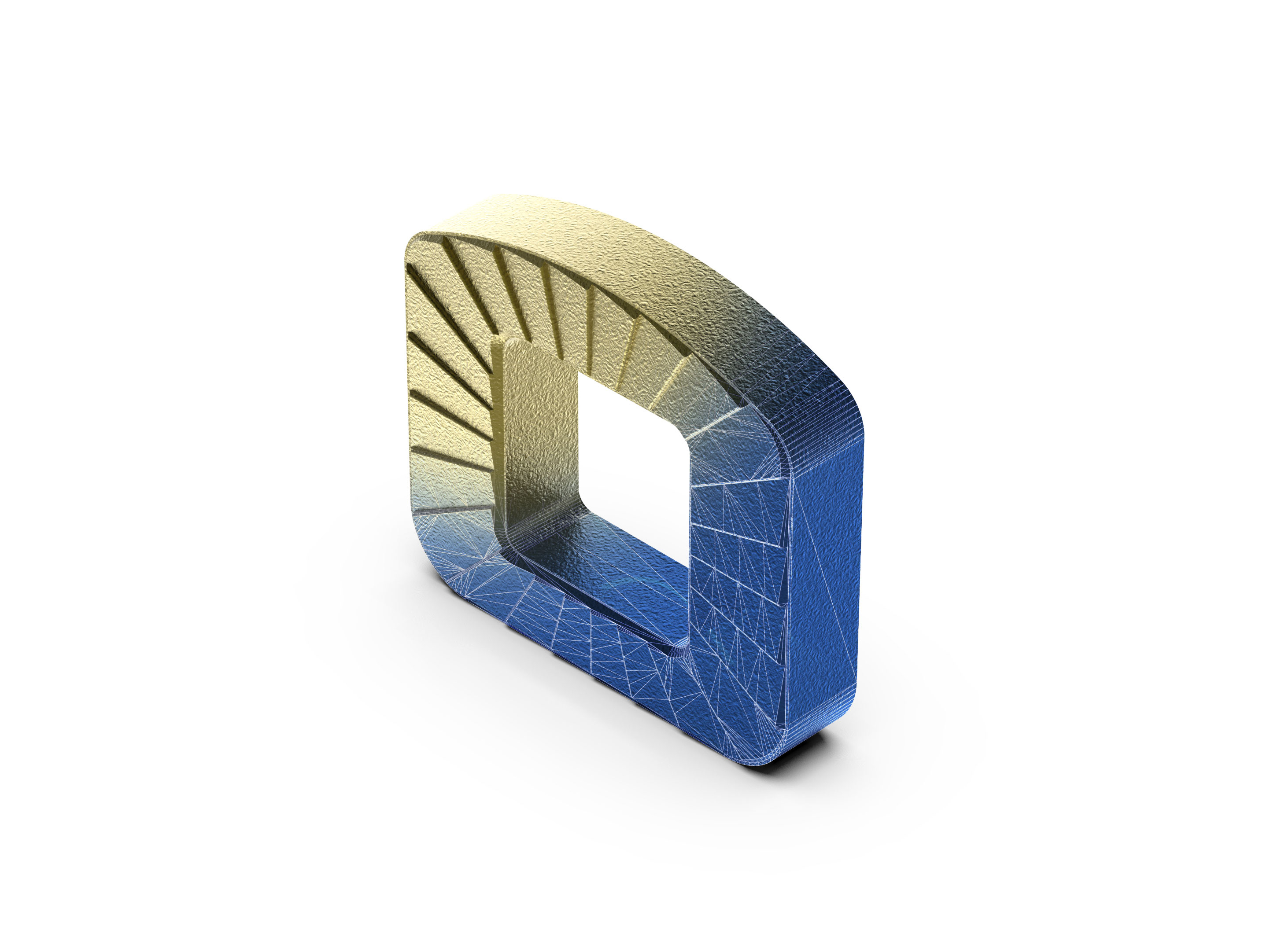
Loads and Sealing Performance
Richter Formteile works with you to determine the loads the component must withstand. If it is also required to provide a seal, the medium and operating conditions must be included in the technical coordination. Together with our manufacturing partner, we align these requirements with the material, density, and surface treatment, and agree on the necessary documentation. This allows us to evaluate porosity in the context of the component’s actual function.
Pores as a Functional Component
In self-lubricating sintered bearings, pores can serve as reservoirs for lubricant. Sintered filter media utilize a specifically permeable structure. These general applications demonstrate why porosity can also be a desirable material property. The intended function determines which pore structure is required and which properties must be demonstrated.
Advantages and Limitations of the Sintering Process
Arguments in Favor of Pressing and Sintering
- Many contours are already formed during the pressing process. This can reduce the amount of milling or turning required.
- A coordinated tooling and manufacturing process enables repeatable geometries in series production.
- The powder mixture, density, and treatment can be tailored to the required properties.
- Shaping from powder makes efficient use of the material because a large portion of the contour is already formed during the pressing process.
What to Include in the Planning Process
- Tooling and production ramp-up must align with planned demand.
- The direction of pressing and the ejection process limit the features that can be formed directly.
- Requirements for strength and leak tightness necessitate appropriate material and process conditions.
- Additional machining, heat treatment, and testing affect unit costs and the production process.

Which process is right for your component?
If implementing the geometry in the press die requires a great deal of effort, it’s worth considering alternatives: Richter Formteile also utilizes MIM, investment casting, and die forging. The appropriate manufacturing method depends on the component’s shape, properties, and
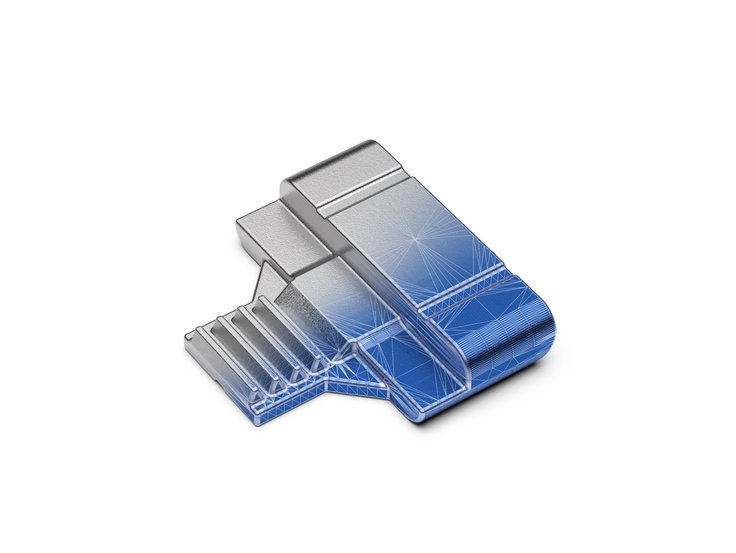
Precision Casting
Investment casting for custom precision parts—with intricate contours and internal geometries made from a wide range of castable alloys.
View Investment Casting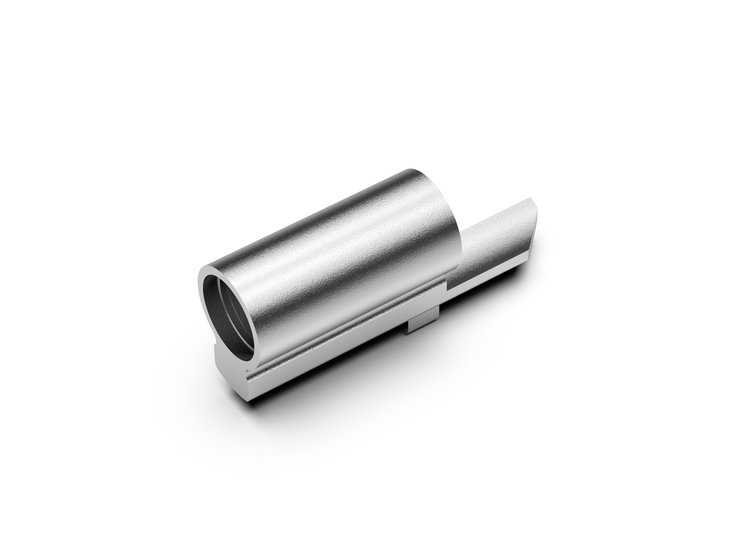
MIM
Metal injection molding for small, highly detailed precision parts in series production—with threads, engravings, and fine contours already incorporated into the mold.
View MIM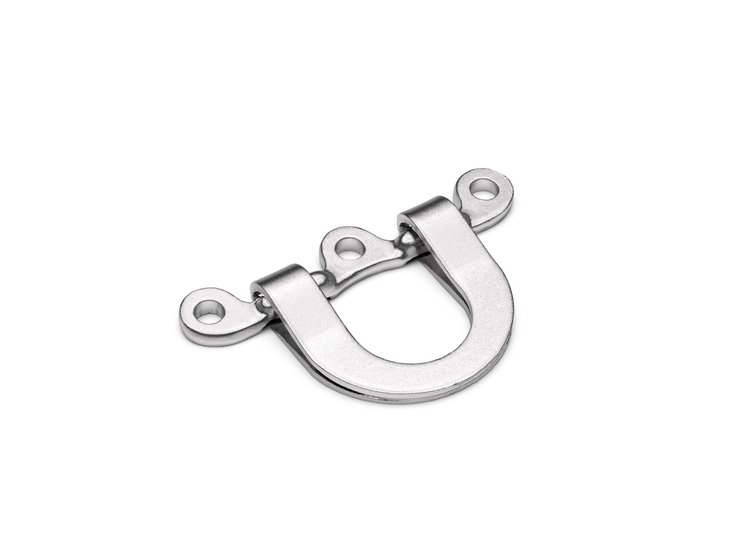
Die forging
Forged components for high loads—with materials and designs tailored to the forces your component must withstand during operation.
View Die ForgingSintered Materials at Richter Formteile
Richter Formteile advises you on material selection based on the required load-bearing capacity, wear behavior, and operating conditions. Together with our manufacturing partner, we determine which alloy and finish are best suited for your application. We take density and heat treatment into account during the selection process, as these factors also influence the achievable properties. Our published data sheets cover sintered iron and sintered steel, as well as stainless sintered steel and sintered bronze. These form the basis for the selection process. We will verify the availability of the specific alloy and design for your project.
In what applications are sintered parts used?
Sintered parts serve various mechanical and physical functions. The following examples describe general applications of the process. The suitability of a specific component is evaluated based on its requirements.
Power and motion transmission, for example, via gears
Tooth geometry, load, and wear determine the requirements for material, density, and, if necessary, additional treatment.
Sliding and bearing functions, such as in bearing sleeves
Friction, load, and lubrication must be properly balanced. In self-lubricating designs, a suitable pore structure can retain lubricant.
Electrical or magnetic functions
Depending on the application, the focus is on electrical conductivity or magnetic properties. The material and finish are selected specifically for this purpose.
Technical Specifications for Sintered Parts from Richter Formteile
The achievable values depend on the component size, geometry, material, process, and agreed-upon delivery condition.
standard weight:
0.001 - 0.150 kg
production:
Asia
certified acc. to:
DIN ISO 9001, 14001, IATF 16949
tolerances:
approx. +/- 0.4% of the nominal size
surfaces:
Ra 3.2
materials:
steel, stainless steel, bronze and brass alloys
post-processing:
own CNC processing centers, heat treatments according to customer specifications
What dimensions and properties does your component require?
Richter Formteile aligns the required dimensions, surface finishes, and material properties with the manufacturing capabilities of the production partner. We coordinate functionally critical features with you on a case-by-case basis. In doing so, we determine whether the requirement should be met after sintering alone or only after calibration, machining, or further processing.
Dimensions and Weight
The drawing, material, and geometry form the basis for evaluating manufacturing options.
Dimensional Tolerances
Relevant functional dimensions are considered in terms of the direction of measurement, nominal dimension, and intended machining condition.
Surface
The surface roughness and, if necessary, additional machining required for the functional surfaces are specified.
Material Properties
The alloy, density, and treatment are selected to meet the component's requirements.
Condition upon delivery
It is agreed upon which processing, treatments, and inspections are required prior to delivery.
These specifications determine the scope of work required and the characteristics that must be verified during sampling.
Post-processing and inspection to ensure compliance with the agreed-upon delivery condition
Producing Functional Dimensions and Properties
Richter Formteile plans the necessary follow-up operations with the production partner based on your drawing and the agreed-upon delivery condition. If a dimension requires higher precision, calibration may be an option: The part is re-pressed in a die. Functional surfaces, holes, or threads can be machined. We coordinate appropriate treatments to achieve the desired material properties and surface finishes. In doing so, we clarify the availability and responsibility for each planned step.
Verifying Agreed-Upon Characteristics
Together with you, Richter Formteile determines which characteristics must be verified. Depending on the function, these may include dimensions and surface finish, material composition, density, or mechanical properties. If there is a leak-tightness requirement, we also coordinate the test conditions. We coordinate implementation with the production partner and agree on the test method, scope, and documentation. The results form the basis for evaluating the initial samples and the agreed-upon quality controls during series production.
Scope and documentation.
The results form the basis for the evaluation of the initial samples and the agreed-upon quality controls during series production.
Your Sintering Project with Richter Formteile
At Richter Formteile, we bring together drawings, quality requirements, and delivery agreements. We coordinate technical specifications and manufacturing with our production partner and remain your point of contact throughout the project.
-
Clarify Requirements and Manufacturing
We consider geometry, materials, annual demand, and delivery condition. Together, we define the quality specifications and determine any necessary adjustments. We then select a suitable manufacturing partner and agree on the scope of work for tooling, prototyping, and series production.
-
Coordinate Tooling and Initial Prototypes
Once you place your order, we coordinate tooling, production planning, and prototyping. The production partner manufactures the initial prototypes. The agreed-upon specifications are inspected and documented.
You inspect the initial samples and the initial sample inspection report at your facility. We resolve any deviations with the manufacturing partner. Series production begins only after you have given your approval.
-
Organize Production and Delivery
We manage series production and coordinate the agreed-upon follow-up operations. The agreed-upon processes and quality characteristics are inspected on-site at our production partners’ facilities. In the event of any deviations, we will investigate the matter and coordinate the next steps with you.
-
Full Service for Your Sintered Part
Your contractual partner is Richter Formteile in Germany. We coordinate the collaboration with our manufacturing partners as well as transportation, import, and customs clearance.
We pre-produce and finance the agreed-upon quantities within the agreed-upon framework. We store the inspected components in Leonberg. You call off the agreed-upon lot sizes as needed; you are billed for the quantity called off each time. We coordinate demand and call-off planning with you.
Next Steps for Your Sintering Project
Frequently Asked Questions
About Sintering and Sintering Projects
In conventional pressing and sintering, metal powder is compacted within a die. MIM, on the other hand, uses an injection-moldable mixture of metal powder and a binder. Both processes involve a sintering step, but they differ in terms of shaping and design capabilities.
Suitability depends on geometry, material, component function, tolerances, and production volume. The part must be able to be produced in the press die and removed from it. Certain features may require additional machining. Even for an existing part, we assess whether a changeover is feasible and what adjustments would be necessary.
Conventionally pressed and sintered components often exhibit residual porosity. It is not possible to determine definitively based on this alone whether a part is sufficiently dense for its intended use. The pore structure, material, treatment, and requirements are all critical factors. In certain applications, porosity is desirable—for example, to serve as a lubricant reservoir or for filtration.
Achievable values depend, among other things, on geometry, material, and machining condition. Particularly tight functional dimensions may require calibration or mechanical machining. Richter Formteile coordinates the relevant functional dimensions and surface finishes with you and clarifies the necessary manufacturing steps with the production partner.
Materials suitable for sintered metal parts include iron and steel, stainless steel, and bronze, among others. The choice of material depends on the required mechanical properties, the operating conditions, and the delivery condition. Richter Formteile uses the material data sheets as the basis for its consultation and coordinates the specific alloy and design with you and the production partner.
Yes. Functional surfaces, holes, or other features can be machined after sintering. Depending on the material and requirements, calibration, heat treatment, or appropriate surface treatments may also be considered. Richter Formteile determines which steps are necessary and available for your component and coordinates the agreed-upon execution with the production partner.
It is not possible to specify a universal minimum order quantity. Tooling and startup costs must be considered in conjunction with the part’s geometry, material, follow-up work, and planned demand. The key factor is the overall cost-effectiveness of the project. Richter Formteile evaluates these factors based on your project data.
It is helpful to provide a drawing or 3D data, the intended function of the component, the projected annual demand, and requirements regarding materials, tolerances, and delivery condition. If the material or process has not yet been determined, we will clarify these points together. The necessary technical specifications are then added to ensure a robust feasibility assessment and quotation review.
Your Questions About the Sintering Project
Would you like to start by discussing a technical question or the planned project timeline? Your contact at Richter Formteile will work with you to determine what information is needed for the next step.
Timo Richter
Managing Director
+49 7152 90171-0
t.richter@richterformteile.com
Request Information on Sintering Project
Please send us your drawing and the specific requirements regarding material, annual demand, and delivery condition. We will work with you to assess the suitability of the process and determine how your project can be implemented.